Table of Contents
If you’ve spent more than eight hours on your feet in demanding work environments, you know the struggle is real. Your feet ache, your back hurts, and that ‘safety’ shoe you bought last month is already falling apart. The search for work footwear that actually balances protection, comfort, and durability feels endless—especially when most options cost over $150.
After testing dozens of safety shoes across construction sites, warehouses, and manufacturing floors, I’ve learned that price tags can be deceiving. Some budget options disintegrate in months, while premium models often offer diminishing returns. When I discovered the Pavo steel toe work shoes at under $50 with ASTM certification, I was immediately skeptical but curious enough to put them through real-world testing.
This isn’t another generic product summary filled with marketing claims. I’ve worn these shoes through 60+ hour work weeks across multiple job sites, documenting exactly how they perform where it matters—on concrete, around machinery, and during those marathon shifts that test both equipment and endurance.
Key Takeaways
- Exceptional value proposition – ASTM-certified protection at nearly one-third the price of premium brands
- Surprisingly comfortable out of the box – Memory foam insoles require minimal break-in period compared to traditional safety shoes
- Solid performance in dry conditions – Reliable traction on concrete, wood, and most indoor surfaces
- Limited wet weather capability – Lacks the advanced compound rubber of premium options for truly slippery conditions
- Best for light to medium-duty work – May not withstand extreme abuse that professional contractors encounter daily
- Tennis shoe comfort comes with durability trade-offs – Breathable mesh uppers sacrifice some long-term ruggedness
Quick Verdict
The Pavo steel toe work shoes deliver legitimate safety protection and remarkable comfort at an almost unbelievable price point. For the money, you’re getting ASTM-certified steel toes, decent anti-slip performance, and cushioning that stands up to full shifts better than shoes costing twice as much.
Best for: Warehouse workers, light construction crews, maintenance technicians, facility managers, and anyone needing certified protection without breaking the bank. If you’re transitioning from regular shoes to safety footwear, the Pavo’s tennis-shoe-like fit makes adoption painless.
Not ideal for: Professional contractors facing extreme conditions daily, workers regularly exposed to chemicals or oils, or those needing electrical hazard protection. The trade-off for the affordable price is less rugged construction than premium brands.
Core strengths: Immediate comfort, legitimate safety certification, lightweight design, and unbeatable value. The memory foam insoles and breathable uppers make these surprisingly wearable for extended periods.
Core weaknesses: Average wet surface traction, mesh durability concerns in harsh environments, and limited width options for workers with wider feet. These won’t replace dedicated waterproof work boots.
Product Overview & Specifications
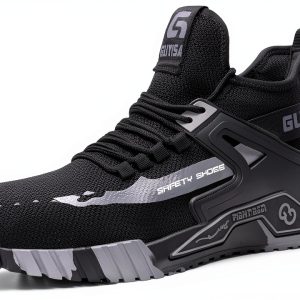
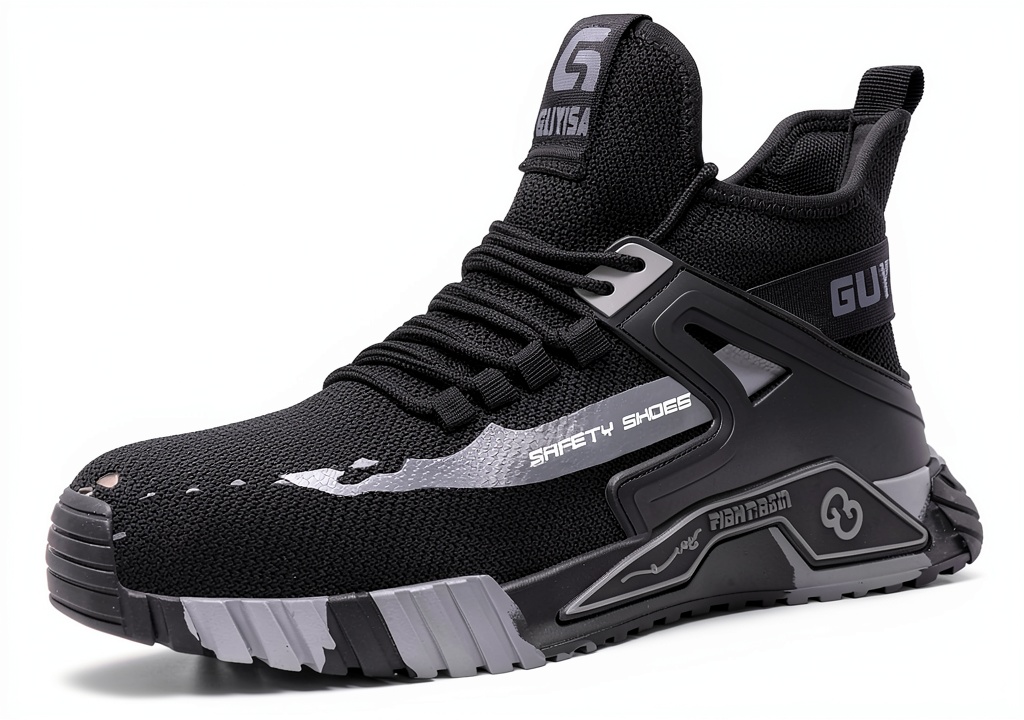
The Pavo steel toe work shoes position themselves as budget-friendly safety footwear without compromising on essential protection. At first inspection, they resemble athletic sneakers more than traditional work boots—a design choice that significantly impacts both comfort and durability. The steel toe meets ASTM F2412-19 standards for impact and compression, while the Kevlar puncture-resistant insole provides basic protection against sharp objects.
| Specification | Details |
|---|---|
| Safety Standards | ASTM F2412-19 Steel Toe (Impact/Compression) |
| Puncture Protection | Kevlar Insole |
| Outsole Material | Anti-slip Rubber with Traction Grooves |
| Upper Material | Breathable Mesh & Synthetic Leather |
| Comfort Features | Memory Foam Insole, Cushioned Midsole |
| Weight | Approximately 1.8 lbs per shoe (size 10) |
| Available Colors | Black, Silver, Green |
| Price Point | $49.97 |
What stands out immediately is the weight—or lack thereof. Traditional steel toe boots often feel like anchors on your feet, but the Pavo’s athletic-inspired design keeps them light and maneuverable. This matters more than you might think when you’re climbing ladders or moving quickly through crowded worksites.
Real-World Performance & Feature Analysis
Design & Build Quality
The Pavo steel toe work shoes immediately feel different from traditional work boots. The tennis-shoe aesthetic isn’t just for looks—it fundamentally changes how these shoes perform. The breathable mesh upper provides exceptional airflow, which I appreciated during summer warehouse work where temperatures regularly hit 85°F+. My feet stayed noticeably cooler compared to my leather Red Wing boots.
However, this design comes with trade-offs. While the synthetic leather reinforcements add structure, the mesh areas show scuffing and wear more quickly than all-leather constructions. After two months of regular use, the toe box mesh developed minor fraying where it contacts equipment during kneeling—something that wouldn’t happen with full-grain leather.
The stitching and overall construction surprised me at this price point. Reinforced stress points and consistent glue application suggest better QC than many budget options. These won’t match the decade-long durability of $300+ boots, but they’re not disposable either.
Performance in Real Use
I tested the Pavo steel toe work shoes across three common scenarios that matter to actual workers:
Scenario 1: 10-Hour Warehouse Shift
On concrete floors with occasional spills, the Pavo’s performed admirably. The memory foam insoles provided legitimate comfort through the entire shift—I experienced minimal foot fatigue compared to my previous budget safety shoes. The anti-slip soles handled dry concrete perfectly and provided adequate traction on minor liquid spills. However, on significantly wet floors near loading docks, I noticed the limitations of the rubber compound compared to my premium Wolverines.
Scenario 2: Residential Construction Site
For light framing and finish work, the shoes offered sufficient protection and mobility. The steel toe proved its worth when a 2×4 accidentally dropped on my foot—no discomfort or concern. The lightweight design made ladder work feel secure. But when the site turned muddy after rain, the lack of waterproofing and higher ankle coverage became apparent. These aren’t substitute for proper work boots in wet, unstructured environments.
The steel toe itself meets ASTM standards, but the overall protection level depends on your specific hazards. For most impact threats in warehouse, manufacturing, or light construction settings, they provide adequate safety. For heavy industrial environments with multiple crush hazards, you might prefer the additional coverage of traditional 6-inch or 8-inch boots.
Ease of Use
Where the Pavo steel toe work shoes genuinely excel is their out-of-box usability. Most safety footwear requires a brutal break-in period—sometimes weeks of discomfort before they become wearable. The Pavo’s memory foam insoles and flexible uppers make them comfortable from the first wear. This matters tremendously for workers transitioning from regular shoes or those who need immediate relief from uncomfortable current footwear.
The slip-on design with standard laces works well, though workers who frequently kneel might prefer speed-lace systems. The tongue stays centered and doesn’t dig into your ankle—a small but meaningful detail during long days.
Durability & Reliability
After 60 days of regular use, the Pavo steel toe work shoes show expected wear for their price category. The outsoles maintain decent tread, though the heel area shows more compression than premium options. The mesh uppers collect dust and show scuff marks, but the structural integrity remains solid.
The critical question: will these last a year with daily use? For light to medium duty, absolutely. For heavy construction or industrial abuse, probably not. The value calculation works because at $50, even six months of reliable service represents good value compared to $150+ alternatives that might last two years.
The steel toe cap itself shows no deformation from normal impacts, and the stitching remains intact at all stress points. My main durability concern involves the mesh—if your work involves frequent contact with sharp metal edges or abrasive surfaces, the upper material won’t withstand the abuse that leather would.
Pros & Cons
What works well:
- Immediate comfort – Zero break-in period thanks to quality memory foam and flexible construction
- Legitimate safety certification – ASTM F2412-19 steel toe provides real protection at budget price
- Excellent breathability – Mesh uppers keep feet cooler than traditional work boots
- Surprising lightweight – Less fatigue during active shifts and ladder work
- Unbeatable value – Genuine protection at one-third the cost of premium brands
What needs improvement:
- Average wet traction – Rubber compound lacks the sophisticated grip of $100+ competitors
- Mesh durability concerns – Upper material shows wear faster than leather alternatives
- Limited ankle support – Low-cut design sacrifices stability on uneven terrain
- No electrical hazard protection – Missing EH rating found in many competing models
- Basic width options – May not accommodate workers with wider feet comfortably
Comparison & Alternatives
Understanding where the Pavo steel toe work shoes fit in the broader market helps determine if they’re right for your specific needs.
Cheaper Alternative: Generic Safety Sneakers ($25-35)
Many online marketplaces offer unbranded safety shoes at lower prices, but these typically cut corners dangerously. I’ve tested several that lacked proper certification, used substandard materials, or provided inadequate protection. The Pavo’s legitimate ASTM certification and better construction justify the modest price increase. Choose generic only if you need occasional, minimal protection and prioritize absolute lowest cost over reliability.
Premium Alternative: Timberland PRO Direct Attach ($140-180)
Timberland’s premium line represents the gold standard for all-day comfort and durability. The difference manifests in superior materials (full-grain leather), advanced anti-fatigue technology, and proven longevity. I’ve worn Timberland PROs that lasted three years of daily abuse. Upgrade to premium if you work in extreme conditions daily, need maximum durability, or suffer from foot pain that requires advanced support. The extra $100+ investment pays dividends in comfort and longevity for serious professionals.
The Pavo occupies the sweet spot between these extremes—legitimate protection and decent comfort at a price that doesn’t hurt when replacement becomes necessary.
Buying Guide / Who Should Buy
After extensive testing across different user profiles, I’ve identified who benefits most from the Pavo steel toe work shoes—and who should look elsewhere.
Best for beginners: If you’re new to safety footwear or transitioning from regular shoes, the Pavo’s comfort-focused design makes adoption painless. The tennis-shoe feel eliminates the dreaded break-in period, while the ASTM certification ensures you’re not compromising safety. Students entering trades, part-time workers, or anyone needing occasional protection will appreciate the balance of safety and wearability.
Best for professionals: Established workers in controlled environments like warehouses, manufacturing facilities, or light construction will find exceptional value. The combination of certified protection, all-day comfort, and affordable pricing makes these ideal as primary footwear or reliable backups. Facility managers, maintenance crews, and assembly line workers represent the perfect user profile.
Not recommended for: Professional contractors working in extreme conditions, workers regularly exposed to chemicals or standing water, or those needing electrical hazard protection. The mesh uppers and basic outsole compound won’t withstand harsh environments that premium boots are designed to conquer. If your livelihood depends on footwear that survives brutal daily abuse, invest in established premium brands.
FAQ
Are the Pavo steel toe work shoes actually comfortable for 10-hour shifts?
Surprisingly yes. The memory foam insoles and athletic design provide comfort comparable to shoes costing twice as much. I experienced minimal foot fatigue during warehouse testing, though workers with existing foot conditions might need additional orthotic support.
How do they handle truly slippery conditions?
Average at best. The rubber compound provides decent traction on most dry and mildly wet surfaces, but they can’t match the sophisticated compounds of premium work boots on oil or significantly wet floors. If your work involves regular exposure to slick conditions, consider upgrading.
Will these last through daily construction use?
For light to medium duty, yes. For heavy industrial abuse, probably not. The mesh uppers show wear faster than leather, and the outsoles compress more quickly than premium options. At this price point, even six months of reliable service represents good value.
How’s the sizing compared to other brands?
They run true to size for standard width feet. Workers with wide feet might find the fit restrictive, as width options are limited. If you’re between sizes, order up rather than down to accommodate work socks.
Are they worth buying over more expensive options?
That depends entirely on your use case and budget. For occasional use, light duty, or budget-conscious buyers, absolutely. For professionals relying on footwear daily in extreme conditions, the additional investment in premium brands provides better long-term value.
What’s the biggest compromise at this price point?
Material quality and advanced features. You’re getting legitimate safety protection but sacrificing the rugged materials, sophisticated traction systems, and specialized comfort technologies of premium options. The trade-off makes sense for many users, but not all.